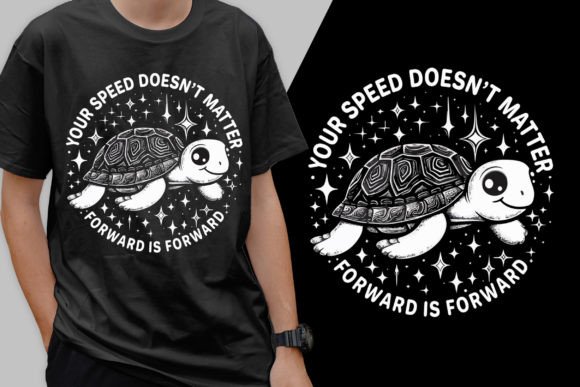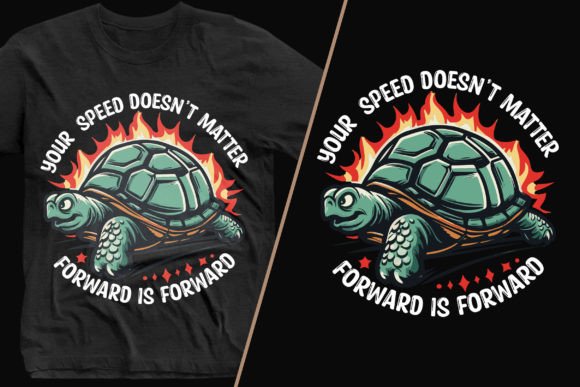
Your Speed Doesn’t Matter Trendy T-shirt
First Impressions: A Quiet Statement, Not a Shout
When I opened Your Speed Doesn’t Matter Trendy T-shirt, I didn’t see loud graphics or forced whimsy—I saw breathing room. The layout leans into minimalism with intentional spacing, clean letterforms, and a subtle rhythm between positive and negative space. It’s not “cute” in the fleeting sense; it’s grounded, calm, and quietly confident. That mood translates directly to embroidery: this isn’t a design that fights the fabric—it invites thoughtful stitching. I immediately pictured it on a heavyweight organic cotton tote bag for a local bookstore’s staff gift line—something tactile, unhurried, and human-made.
How It Stitches Up: Clarity Over Complexity
In real embroidery projects, Your Speed Doesn’t Matter Trendy T-shirt shines where subtlety matters most. On a medium-weight sweatshirt, the lettering holds crisp edges without excessive satin stitch buildup. On a linen tea towel? It reads cleanly at 3.5 inches wide—no blurring, no thread pooling—especially when paired with a lightweight cutaway stabilizer. As a machine embroidery design, it avoids dense fill-stitch traps and overly tight corners. That means fewer thread breaks during production runs and smoother transitions across curved surfaces like baseball caps (though I’d still recommend testing on a cap mockup first—curvature compresses letter spacing).
I ran it as a custom apparel piece on a baby onesie using soft polyester thread and tear-away + topping combo. The result? Gentle contrast, zero puckering, and a finished product that felt like a personal note—not a mass-printed slogan. That’s the difference: this isn’t just text on fabric. It’s a stitched intention.
Where It Fits—and Where It Needs Care
Your Speed Doesn’t Matter Trendy T-shirt works beautifully for:
- Embroidered patches (great for iron-on backing or sewn-on boutique branding)
- Sweatshirt embroidery for small shop merchandise
- Nursery decor—think pillow covers or framed hoop art where quiet confidence reads as warmth
- Holiday embroidery on kitchen towels or aprons (it avoids seasonal clichés while still feeling intentional and giftable)
- Digital embroidery file use for Etsy sellers offering personalized gifts with emotional resonance
Use caution on:
- Thin or highly stretchy fabrics—the clean lines rely on stability; without proper stabilizer, letterforms can distort.
- Dark fabrics with light thread—check how legible the kerning stays at smaller sizes; test with your exact thread color before committing to 50 units.
- Tiny hoop sizes under 4”—while scalable, shrinking below 2.75” risks losing visual weight in the lowercase “o” and “e” counters.
- Layered garments like quilted jackets—stitch density may need slight adjustment to avoid stiffness in high-wear zones.
What It Does for Your Craft Business
This isn’t just another graphics download. As a craft business owner or Etsy seller, Your Speed Doesn’t Matter Trendy T-shirt elevates perceived value without raising your production time. Customers notice the restraint—the way the design doesn’t scream, but settles in. That builds trust. When someone buys a handmade product featuring this embroidery file, they’re not just buying a shirt or tote—they’re buying alignment with a slower, more considered way of making and living.
It supports brand consistency across product lines: use it on a patch for your shop’s denim jacket line, then echo it in minimalist packaging tags or printable mockups for your digital product listings. And because it avoids trend-dependent visuals, it won’t date your inventory next season. That’s rare in T-Shirt Designs—and invaluable for small shop owners managing limited shelf space and seasonal turnover.
Designer Notes You’ll Actually Use
Before stitching your first Your Speed Doesn’t Matter Trendy T-shirt project:
- Test on scrap fabric—especially if using textured weaves like waffle-knit towels or slub cotton.
- Check thread color contrast in natural light *and* under store lighting—some off-whites fade against cream backgrounds.
- Review stitch density in your embroidery software; if it’s over 12,000 stitches, consider simplifying interior fills for baby items or frequent-wash products.
- Confirm hoop size compatibility—this design scales well, but verify your smallest hoop clears the full width with ½” margin.
- Inspect small details—the dot over the “i” is delicate; ensure your machine handles fine running stitch without skipping.
- Test black-and-white mockups—this design relies on shape and balance, not color, so grayscale previews reveal clarity issues fast.
- Compare light vs. dark fabric backgrounds—it gains warmth on oatmeal linen but needs higher-contrast thread on navy twill.
- Use proper stabilizer—lightweight cutaway for stable knits, tear-away + topping for napped or fuzzy fabrics.
- Verify licensing—since it’s listed as a Graphics file, confirm whether commercial use (e.g., selling embroidered totes on Etsy) is included before launching your product line.
Final Thought: It’s Not About Speed—It’s About Intention
I’ve stitched hundreds of slogans. Most vanish after one wear. But Your Speed Doesn’t Matter Trendy T-shirt lingers—not because it’s loud, but because it leaves space for the person wearing it to breathe. That’s what makes it work on a holiday gift for a teacher, a boutique apron for a coffee roaster, or a custom patch for a therapist’s office wall. It doesn’t ask to be seen first. It asks to be felt—slowly, honestly, and well-made. That’s the kind of design that earns repeat customers, not just one-time clicks.