Evaluating the Weenie Christmas Dog Embroidery Design
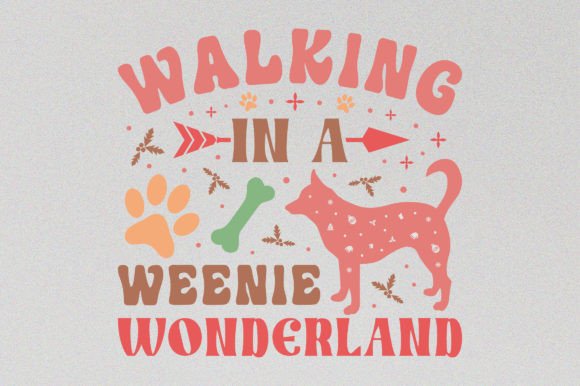
When a new design lands in my project folder, I don't just look at the artwork—I start imagining the stitches. I picture how it will translate onto fabric, what kind of projects it’s destined for, and ultimately, whether it’s worth the thread and the time. That’s my approach with the Weenie Christmas Dog Sublimation Design, and I’m thinking through it as if I’m about to hoop up a tote bag for a client’s custom holiday gift.
The Immediate Charm and Practical Mood
The first thing that hits you is the retro charm. This isn’t a hyper-realistic portrait; it’s a playful, stylized character. That’s a huge advantage for embroidery, especially on items like holiday sweatshirts or aprons. The mood is lighthearted and nostalgic, perfect for creating a handmade product that feels festive without being overly formal. The layout is straightforward—a central, cheerful dog—which means it’s going to be a clear, recognizable focal point after stitching. The detail level seems balanced: enough to give the dog personality, but not so intricate that it becomes a nightmare of tiny satin stitches on a curved surface like a cap.
Where This Design Naturally Belongs
In my workshop, this design screams for cozy, tactile applications. I’m immediately thinking of a soft, fleece-backed baby blanket or a pillow cover for a festive nursery. The theme makes it an obvious candidate for holiday gifts, but its friendly vibe extends beyond December. For an Etsy seller or a craft business, this could easily become a year-round bestseller for dog lovers, stitched onto a simple custom apparel tote bag or a kitchen towel. It has that universal, “makes you smile” quality that translates well into embroidered patch form, too—something a customer could iron onto their own backpack.
Scenarios Where It Might Need Extra Consideration
Not every design is a universal fit. The cheerful simplicity here is a strength, but it also dictates where I’d use it carefully. On very small hoop sizes, some of the finer decorative accents might lose clarity. I wouldn’t automatically run this on a thin, stretchy fabric like a standard t-shirt without a serious stabilizer strategy, as the overall stitch area could be dense. Similarly, on dark fabric, you’d need to plan your thread colors meticulously to ensure the retro, likely lighter palette, pops without requiring excessive underlay. The design’s personality is bold, so on a product with lots of other visual elements—like a layered garment with pockets and seams—it might get lost.
Real-Life Performance on the Machine and the Product
Let’s talk about stitching it out. Since we’re working from an EPS file at 2000px, the scalability is a designer’s dream. This means I can confidently adjust it for a large baby embroidery on a blanket or shrink it down for a delicate corner on a tea towel. For a real project, like that client tote bag, I’d be focusing on how the stitch density feels. A design with this solid, illustrated look often translates to consistent fill stitches. That creates a premium, plush texture on the finished product, boosting product value and customer trust in the handmade presentation. However, that same density requires good quality materials—a sturdy tote bag fabric—to support it without puckering.
The visual appeal post-stitching is, I predict, high. The clean shapes will result in excellent stitching clarity, making the final item look professional and intentional. For a small shop product, this consistency is key for brand consistency. A customer receiving this as a personalized gift gets that immediate, “this was made with care” feeling. That giftability and instant recognition are what turn a simple embroidery project into a cherished item.
The Professional Designer’s Checklist Before Hooping
Before I commit any thread, my process is methodical. With the Weenie Christmas Dog Sublimation Design, here’s my mental run-through:
- Test on scrap fabric first. Always. Use the same material as your final project—a canvas scrap for that tote, a fleece scrap for the blanket.
- Check thread color contrast. Pull potential threads and lay them against your project fabric. Does the palette work on both light and dark backgrounds?
- Review the stitch density in your software. Look for areas that might be overly thick; you might need to adjust settings for specific fabrics.
- Confirm your hoop size is appropriate for the final size you want. Don’t force a large design into a tiny hoop.
- Inspect the small details. Are there any tiny elements that might vanish or become messy on a textured fabric like a towel?
- Run a black and white mockup. This helps you see the design purely as shape and form, stripping away color bias.
- Use proper stabilizer. Match the stabilizer to the fabric and the expected density of the machine embroidery design.
- Check the licensing. The product is listed under T-Shirt Designs and Graphics. Before selling finished items or using it in commercial embroidery projects, you must confirm the specific license terms for this digital embroidery file. Never assume.
The Final Stitch: A Design That Delivers on Mood
From a practical designer’s standpoint, the Weenie Christmas Dog Sublimation Design lands in a sweet spot. It offers a strong, emotive theme with a visual structure that translates reliably into stitches. It’s suited for products where warmth and charm are the primary goals—holiday embroidery, personalized gifts, craft fair products. Its potential pitfalls are the common ones for any solid, graphic design: mindful application on tricky fabrics and careful planning for color and scale.
For embroidered patch makers, Etsy sellers creating boutique branding, or creative entrepreneurs adding to their line of digital product previews, this design can be a versatile design asset. It’s the kind of file that, with proper testing and respect for its licensing, can become a go-to for creating finished products that genuinely engage buyers. It reminds us that a successful embroidery project starts not just with a good file, but with a clear vision of where it will live, and how it will make someone smile when they see it stitched into their world.