A Design Review: The Mushrooms Are Calling Tee
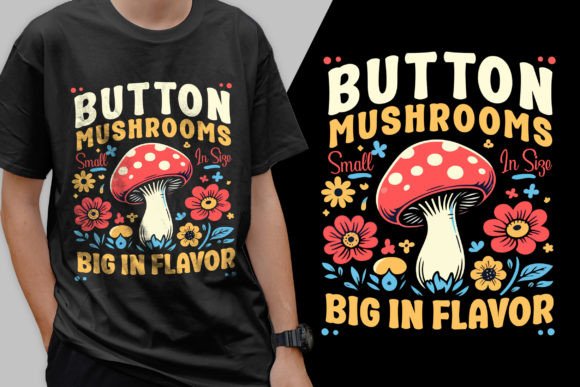
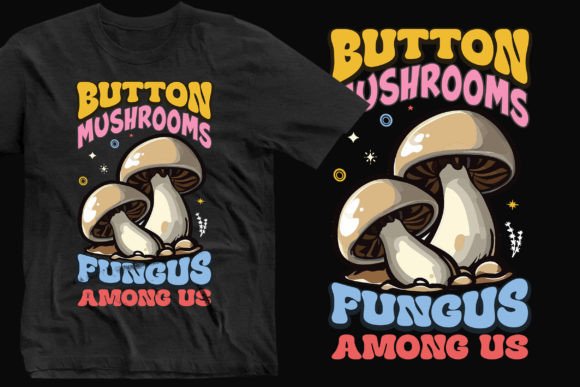
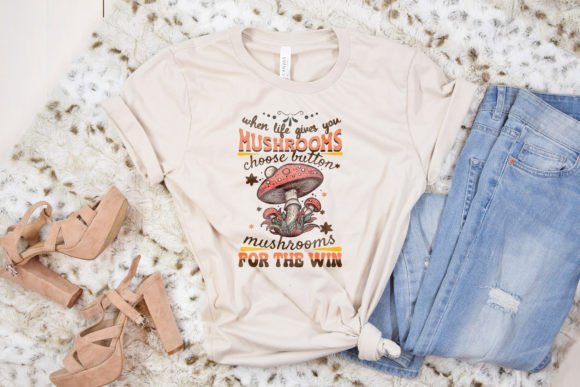
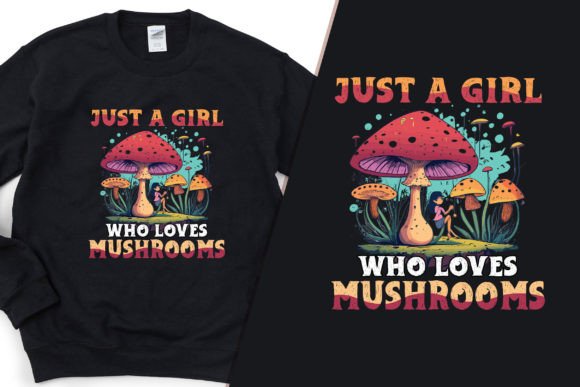
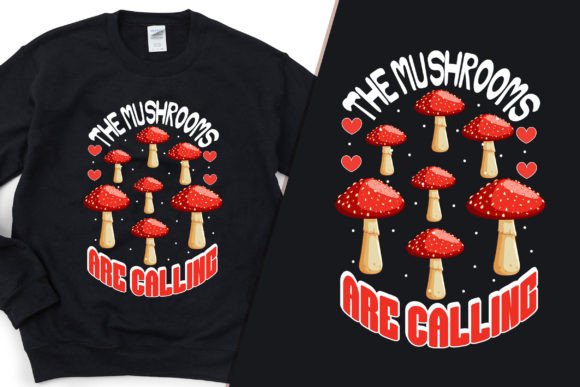
When a new design lands in my library, I’m not just looking at pixels on a screen. I’m imagining thread on fabric. I’m thinking about how it will behave under the needle, and more importantly, how it will look in the hands of a customer. Today, I’m evaluating the Mushrooms Are Calling Stylish Tee Design, judging its real-world potential for my embroidery projects.
First Impression: A Whimsical, Modern Vibe
The mood here is playful yet sophisticated. It’s not a generic forest scene; it has a stylish, almost graphic art personality. The layout feels balanced, with elements that suggest a gentle, natural theme. This isn’t a high-detail, realistic botanical illustration—it’s cleaner, with shapes that translate well into stitches. My immediate thought was that this design belongs on something contemporary. It wouldn’t feel out of place on a minimalist tote bag for a craft fair, or as a sweet, subtle accent on a baby’s blanket in a boutique.
The Practical Embroidery Scenario
Let’s get practical. I recently needed a design for a custom embroidered apron for a gardening-themed wedding gift. The client wanted something modern, not cliché. I pulled up this mushroom design and immediately saw its potential. The whimsical tone was perfect for a personalized gift, and the cleaner shapes meant it wouldn’t become a dense, stiff patch on the apron’s textured canvas fabric.
In broader use, this machine embroidery design has a wide appeal. It would stitch out beautifully on a lightweight tee for personal wear, but its real strength might be in handmade products for small shops. Consider it on:
- Sweatshirt embroidery: A left-chest placement on a premium hoodie.
- Tote bag design: Centered on a natural canvas bag for a farmer’s market seller.
- Baby embroidery: Small and sweet on the sleeve of a organic cotton romper.
- Embroidered patch: Made independently and applied to a cap or backpack.
- Pillow covers or tea towels for nursery decor or kitchen gifts.
- Holiday embroidery gifts, like a cozy blanket for a nature-loving friend.
The design’s style elevates simple items. On an Etsy listing or a printable mockup, it conveys a sense of curated taste, which boosts perceived value and buyer engagement.
Where to Exercise Caution
Every design has its limits, and a thoughtful embroidery designer knows them. Based on its visual structure, here’s where I’d be careful with this mushroom design:
- Very small hoop sizes: If any lettering or tiny decorative accents are present, they might lose clarity below a certain scale.
- Highly textured or stretchy fabric: Without proper stabilizer, the cleaner shapes might distort.
- Dark fabric backgrounds: The mood is light and whimsical; thread color contrast is crucial. Test it on a dark scrap first.
- Curved surfaces like caps: The balanced layout might need adjustment to fit the curve without looking awkward.
- Products needing frequent washing: Check the stitch density. Too dense on a thin tee could lead to stiffness and wear.
This isn’t a design meant for overly dense fill stitch areas. It likely uses satin stitch and running stitch elements for definition, which is good for flexibility.
Impact on Your Craft Business
Using a design like this isn’t just about making an item; it’s about building your brand’s feel. For creative entrepreneurs, it offers a cohesive design asset. Its modern whimsy can become part of your shop’s visual identity—consistent across aprons, totes, and baby items. That consistency builds customer trust and professionalism.
Its giftability is high. It feels personal without being overly specific. A customer buying a personalized gift won’t struggle to imagine who would love it. For commercial embroidery projects, like a small line of merchandise for a boutique, it has enough recognition—the mushroom theme is popular—but enough style to stand out from generic clip art.
Designer Notes Before You Hoop the Fabric
Before you run this embroidery file, here’s my standard checklist for a design review like this:
- Always test the design on scrap fabric first, preferably the same material as your final project.
- Review the implied stitch density in the preview. Does it look suitable for your fabric weight?
- Confirm the necessary hoop size for clarity. Don’t force it into a smaller hoop than it deserves.
- Inspect small details. Are there any corners or tiny elements that might need thread color adjustment?
- Test it conceptually in both light and dark fabric printable mockups to judge visual appeal.
- Use the proper stabilizer. This can make or break the final look on custom apparel.
- Crucial: Check the licensing terms provided with the file. Confirm it’s suitable for both personal and commercial projects before selling finished items or including it in your craft business offerings.
Since specific details like exact stitch count, file formats, or license terms aren’t provided here, verifying those with the source is your essential final step.
Final Verdict: A Versatile Style Statement
The Mushrooms Are Calling Stylish Tee Design strikes me as a versatile, style-forward graphic. It’s not the most complex design in the world, but that’s often its strength. It offers a mood that’s easy to sell and a visual personality that stitches up cleanly. For embroidery designers and makers looking for a design that bridges whimsy and modernity, works across multiple products, and enhances the perceived value of their handmade work, this is a strong contender. Just remember to treat it with the practical respect any embroidery project deserves: test, adjust, and always verify your rights to use it. Then, let it call customers to your beautifully crafted products.